A Safe Space to Learn
After years of being bullied, Launch student Abel Ivy finally found peace—and a place to grow—in Launch’s virtual learning environment.
The breaking point came in band class. Abel Ivy, then a freshman, was trying to make it through the day when a classmate grabbed his hoodie and ripped it. “I didn’t do anything except tell my mom,” Abel says.
As Abel continues, he shares that this incident was just one of many in a years-long cycle of bullying. “It was constant,” Abel says. “Basically, it was a daily thing.” Sometimes it was name-calling or crude jokes. Sometimes it was physical. And on too many occasions, it was both.
At first, Abel tried to brush it off. But the problems continued—and got worse. “There was one main kid, and the others followed along,” Abel says. “I think they just wanted to be cool.”
By the time Abel reached high school, the bullying had escalated. He was harassed in bathrooms, pushed into physical confrontations, and repeatedly targeted in class. Then came the words no parent ever wants to hear: “I’d rather kill myself than go back.”
Debbie acted immediately. “I wasn’t going to wait for things to get worse,” she says. “We pulled him out of school that day.”
Launching into a Better Fit
Debbie had already heard of Launch Virtual Learning through another parent, and she started researching enrollment that very night. “I wanted something that would let him recover, but also still let him learn,” she says. “He’s smart. He just needed a safe space.”
Abel enrolled with Launch in September of his freshman year. He started late in the semester and had some catching up to do, but his new teachers helped him ease in. “Ms. Johnson got on a Zoom call with me right away and helped me figure things out,” Abel says. “She showed me around and made it easier to start.”
Once he got into a rhythm, everything started to shift. “It was peaceful,” he says. “Nobody was watching me or bothering me. I could just learn.” The change in environment—being away from constant harassment—allowed Abel to focus. “My grades are better,” Abel says. “I’m happier. And I don’t feel like I have to look over my shoulder anymore. It prevents the anxiety I was getting from physically going to school.”
Debbie noticed the change immediately, too. “It was like a weight lifted off his shoulders,” she says. “And I love how closely I can track his progress. I can see his assignments, look at his grades, and communicate directly with his teachers, who are all so responsive. This was a welcome change for us.” Now, Abel is heading into his sophomore year, which he will continue online. “Launch is just better for me,” he says. “It fits.”
Healing Takes Time—and Support
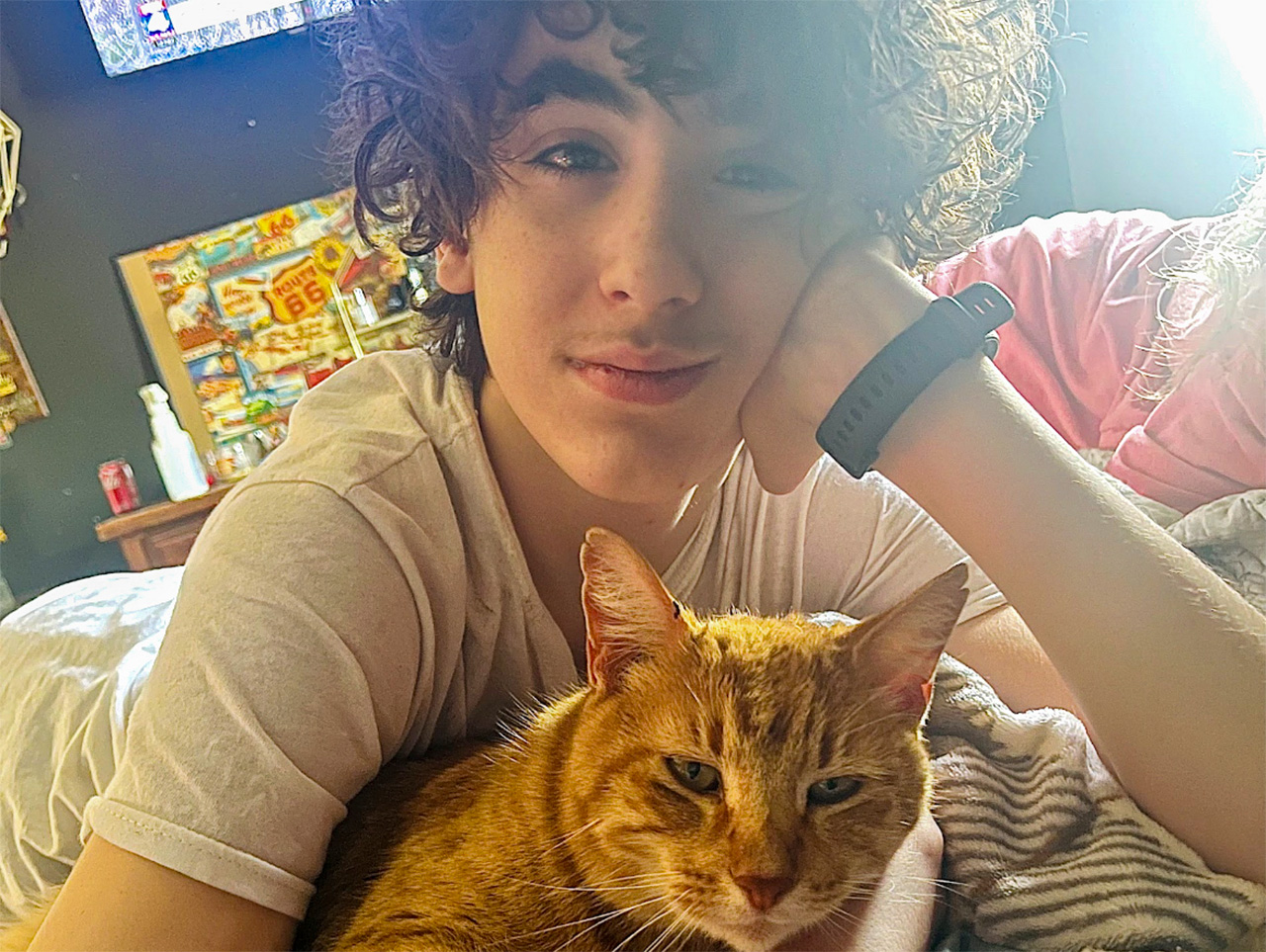
Virtual learning has allowed Abel to rebuild more than just his academic confidence. “Now that I’m not stressed all the time, I can focus on other things,” he says. That includes going to therapy regularly, learning to play guitar, and spending time with the animals on his family’s small farm. “We have six dogs, about 20 cats—we rescue and fix them—and chickens and ducks,” he says. “Right now I’m babysitting my sister’s dog, too.”
He has also discovered a love for pickleball, which he plays with his sister, and he says he enjoys gaming when his schoolwork is done. “It’s all so much easier for me now that I’m not drained from school,” he says.
Seeking Support
Debbie, who has degrees in criminal justice and worked as a social worker, knew she had to do all she could to prevent other kids from going through the trials that her son lived through. She decided to speak up in multiple ways, which included her writing a personal editorial for The Kansas City Star.
Her letter, which shares Abel’s personal journey, also speaks of the growing problem of bullying as a whole. “Victims tend to have higher rates of depression and anxiety,” Debbie said in the piece. “They are bullied for being too tall, too short, too fat, too skinny. Maybe they don’t have enough money, don’t wear the right clothes, aren’t athletic enough or “cool” enough.
Today, Debbie feels just as strong about the topic, and her advice is clear: “If your child is being hurt, don’t wait,” Debbie says. “Don’t assume it’ll get better. Get them out, get them help, and find something like Launch.”

Looking Up and Ahead
Today, Abel spends much more of his time and energy thinking about the future—not just surviving the day. “I want to keep getting better at guitar,” he says. “And maybe start doing some drawing. I’m not great at it yet, but I like it.”
He’s also gaining more independence in his schoolwork. With Launch, he can work ahead when he’s motivated, or slow down if he needs a breather. “That flexibility helps a lot,” he says. “It’s my favorite thing about Launch. And it’s especially helpful when I’m having an off day.”
And while he’s still learning to advocate for himself, he now knows that help is out there. “You don’t have to stay in a bad situation,” Abel says. “Launch helped me get out, and it helped me feel normal again.”
Debbie says she’s proud of how far her son has come. “It’s not just that he’s doing better in school,” she says. “It’s that he’s a much happier kid overall.”